The Opposite of Good - רַע = Evil
Know good and evil - יֹדְעֵי טוֹב וָרָע
The biblical creation narrative introduces humanity’s knowledge of good and evil as a consequence of disobedience.
“And the LORD God said, Behold, the man is become as one of us, to know good (טוֹב) and evil (וָרָע).”
It can be argued that the disobedience itself was not labeled as evil; it brought about the humans’ ability to know both good and evil, just as one of “us.” Click HERE to learn about the biblical us.
וַיַּרְא יְהוָה כִּי רַבָּה רָעַת הָאָדָם בָּאָרֶץ וְכָל־יֵצֶר מַחְשְׁבֹת לִבּוֹ רַק רַע כָּל־הַיּוֹם
(And the LORD saw that the wickedness of man was great in the earth and that every imagination of the thoughts of his heart was only evil continually.)
Translating the Biblical Hebrew word רַע (raʿ, “bad” or “evil”) into many other languages suggests that evil is simply the opposite of good. But here the language becomes more interesting. In Biblical Hebrew, the same root can appear in different grammatical forms.
In Genesis 3:5, the form וָרָע (va-raʿ) means “and evil.” In Genesis 6:5, the phrase רָעַת הָאָדָם (raʿat ha-adam) means “the wickedness of man,” where רָעַת functions as a noun. Later in the same verse, רַק רַע (“only evil”) uses the adjective more predicatively. So the text moves easily between evil as a quality, evil as a condition, and evil as something arising from the human heart and imagination.
To know good and evil suggests that they are things we ought to recognize. Things have substance; that is why they are called substantives, or simply nouns. Evil is not merely a concept in our imagination. Our imagination is where it incubates. Then we act on it, and evil becomes physical reality.
Claiming that evil is physical opens us up to arguments about natural evil and moral evil, as well as to philosophers who believe that evil does not exist.
Soon we remember that we who invented language also define what words mean, and those meanings evolve.
If a word comes to mean everything, it becomes meaningless. This has happened with the word evil. We have a growing number of evil-skeptics who question whether evil is a real thing, along with evil-revivalists fighting a semantics battle with their skeptical philosopher brothers, and a few sisters.
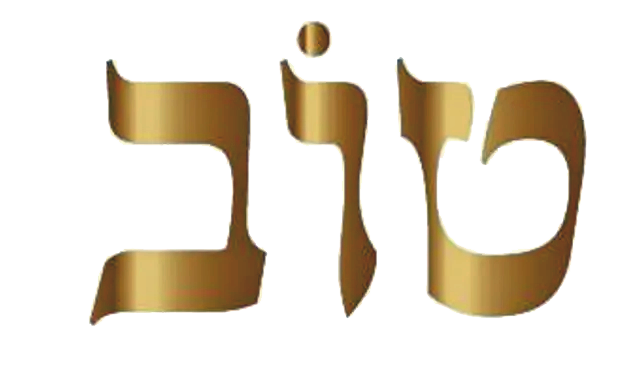
If we are to know TOV, the opposite of RA’, we must settle on a definition of evil, especially if evil was not erased from man’s heart by the biblical flood.
If our definition of good includes things and conditions favorable to the perpetuation of a cycle of life, evil is simply the opposite: the unnecessary destruction of life. Destruction is a real thing. Unnecessary is open to debate.
It is a lot more than unnecessarily killing things; it is bad language, ideas, and beliefs that result in the wanton destruction of life, including the ecosystem that makes life possible.
As we look at our world today, evil exists on all sides, and we Homo sapiens, the wise ones, are its authors…